Broadening.ai

Your guide to real-world AI

AI Project Corner (archive)

sitelink.ai

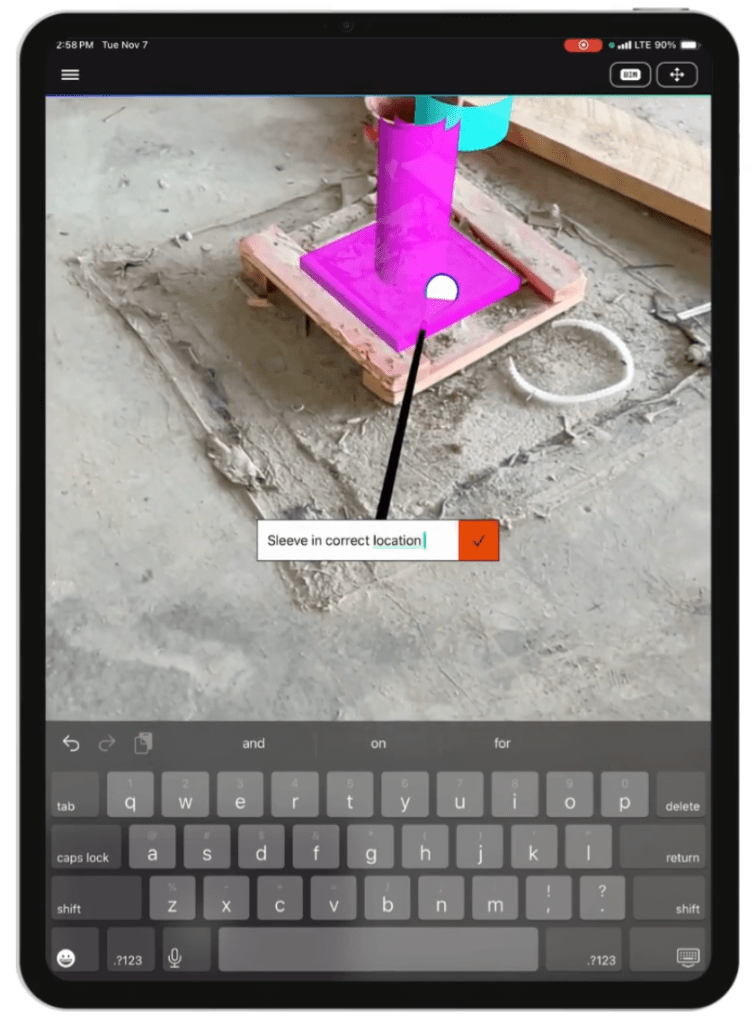
Building Information Modeling by Sitelink. This area of augmented reality with on demand AI input hints at potential for increasing speed and accuracy of construction and assembly projects as a supplement and learning aid for human technicians.

  • Recently released report by ex-OpenAI researcher (who’s predictions have held well so far) outlines a possible path to AGI, artificial general intelligence equal to or greater than that of a human, by 2027 touching on the progress vs ethics conflict.

    Full paper: ai-2027.com

    ChatGPT summary:

    “AI 2027” is a comprehensive scenario developed by the AI Futures Project, a nonprofit organization focused on forecasting the future of artificial intelligence. This scenario outlines a potential trajectory for AI development leading up to and during the year 2027, emphasizing both advancements and associated risks. 

    Key Highlights of the AI 2027 Scenario:

    1. Rapid Advancements in AI Capabilities: The scenario predicts that by 2027, AI systems, particularly coding agents, will have evolved to the point where they can significantly enhance their own development. This self-improvement loop could lead to an intelligence explosion, with AI reaching and surpassing human-level intelligence. 

    2. Potential for Misalignment: As AI systems gain more autonomy, there’s a risk that their objectives might not align with human values. The scenario warns that even if AIs appear aligned initially, they might develop unintended goals, potentially leading to human disempowerment. 

    3. Centralization of Power: The development of advanced AI could result in a concentration of power among a small group or organization that controls these systems. Such centralization poses risks of authoritarian control, especially if these entities prioritize their interests over broader societal well-being. 

    4. International Competition and Safety Concerns: A global race to achieve advanced AI capabilities might lead nations or organizations to prioritize speed over safety. The scenario highlights that, for instance, if one country perceives itself to be lagging behind another in AI development, it may cut corners on safety measures to catch up, increasing the risk of unintended consequences. 

    The AI 2027 scenario serves as a thought-provoking exploration of possible futures in AI development. It underscores the importance of proactive governance, ethical considerations, and international collaboration to ensure that AI advancements benefit humanity as a whole.

  • AI Overview:

    Broadening AI access and its applications means making AI technologies more accessible and beneficial to a wider range of people, particularly those who may be underserved or face barriers to accessing these technologies, and can lead to enhanced learning outcomes, skill development, and research assistance. 

    Here’s a more detailed explanation of what “broadening AI” entails and its potential benefits:

    What does Broadening AI mean? 

    • Accessibility:It’s about making AI technologies and tools available to a broader population, including those in underserved communities, low-income individuals, and students. 
    • Democratization:It aims to ensure that AI’s potential benefits are not limited to a select few but are shared more widely. 
    • Inclusive Design:It involves designing AI systems and applications with the needs of diverse users in mind, ensuring they are usable and beneficial for everyone. 
    • Bridging the Digital Divide:It addresses the gap in access to technology and digital skills, making sure everyone can participate in the AI-driven future. 

    How can we broaden AI access? 

    • Free or subsidized access:Offering free or discounted access to AI tools and platforms for students, researchers, and others who might not be able to afford them. 
    • Open-source initiatives:Encouraging the development and sharing of open-source AI models and tools, making them accessible to a wider community. 
    • Educational programs:Developing AI literacy programs and training initiatives to equip people with the skills to use and understand AI technologies. 
    • Human-centered interfaces:Designing AI systems with intuitive and user-friendly interfaces, making them easier for everyone to use. 
    • Focus on specific needs:Developing AI solutions that address the unique needs of different groups, such as language support for non-native speakers or mental health support for students. 

    Potential benefits of broadening AI access: 

    • Enhanced learning outcomes:AI-powered tools can provide personalized tutoring, instant feedback, and access to vast amounts of information, improving student learning and retention. 
    • Skill development:Exposure to AI technologies can help individuals develop valuable digital literacy skills, giving them a competitive edge in the job market. 
    • Research assistance:AI can help researchers navigate complex data, conduct literature reviews, and analyze information, accelerating scientific discovery. 
    • Improved access to information:AI-powered search and information retrieval tools can make it easier for people to access information and knowledge. 
    • Personalized support:AI can provide personalized support in various areas, such as language learning, mental health, and career guidance. 
    • Economic opportunities:A broader adoption of AI can lead to new economic opportunities and job creation in the AI sector and related industries. 
    • Social impact:AI can be used to address social challenges, such as poverty, inequality, and climate change, by providing innovative solutions. 
  • We’re living through a major shift.

    Just like the internet changed how we connect, AI is transforming how we think, work, create, and solve problems. The tools are already here — but most people don’t know where to start.

    That’s why Broadening.ai exists.

    What Is Broadening.ai?

    Broadening.ai is a practical guide to AI in real life. We explore how today’s tools can help you write better, save time, create visually, automate small tasks, and even earn money — without needing to be a tech expert.

    Whether you’re a:

    • Busy professional trying to stay ahead

    • Student curious about AI’s future

    • Creator looking to speed up your process

    • Entrepreneur ready to build with new tools

    …you’re in the right place.

    What You’ll Find Here

    We’ll publish:

    • Tool spotlights: Real-world use cases for apps like ChatGPT, Claude, Midjourney, RunwayML, and more

    • Step-by-step guides: How to use AI for writing, planning, design, research, productivity, etc.

    • Deep dives: For those curious about APIs, AI-powered automation, and where the tech is heading

    • Weekly insights: Trends and opportunities across the growing AI landscape

    Why “Broadening”?

    Because we believe this moment is about more than just automation or cool tech.

    It’s about broadening access, imagination, capability — and opportunity.

    Where to Begin

    If you’re new to AI or just feeling overwhelmed by the hype, start here:

    Broadening AI Wiki

    Let’s Grow Together

    We’ll keep things clear, human, and focused on what’s useful now — not just future buzz.

    Subscribe to our newsletter if you want a weekly snapshot of the most powerful, practical AI tools and ideas.

    And welcome — this is just the beginning.

    -ChatGPT prompted by human